Skip to content
Kharadi
Pest Control

Professional Ant Control Services

Professional ant control services identify the ant species, trace active trails and target the conditions supporting the colony. Kharadi Pest Control treats indoor and outdoor ant infestations in homes, apartments, offices, restaurants and other commercial properties in Kharadi, Pune.

Our ant-control process focuses on nests, satellite colonies, entry points, food sources and moisture. The technician assesses the infestation before recommending ant bait, crack-and-crevice treatment, direct nest treatment or an exterior application.

Evidence of an Ant Infestation

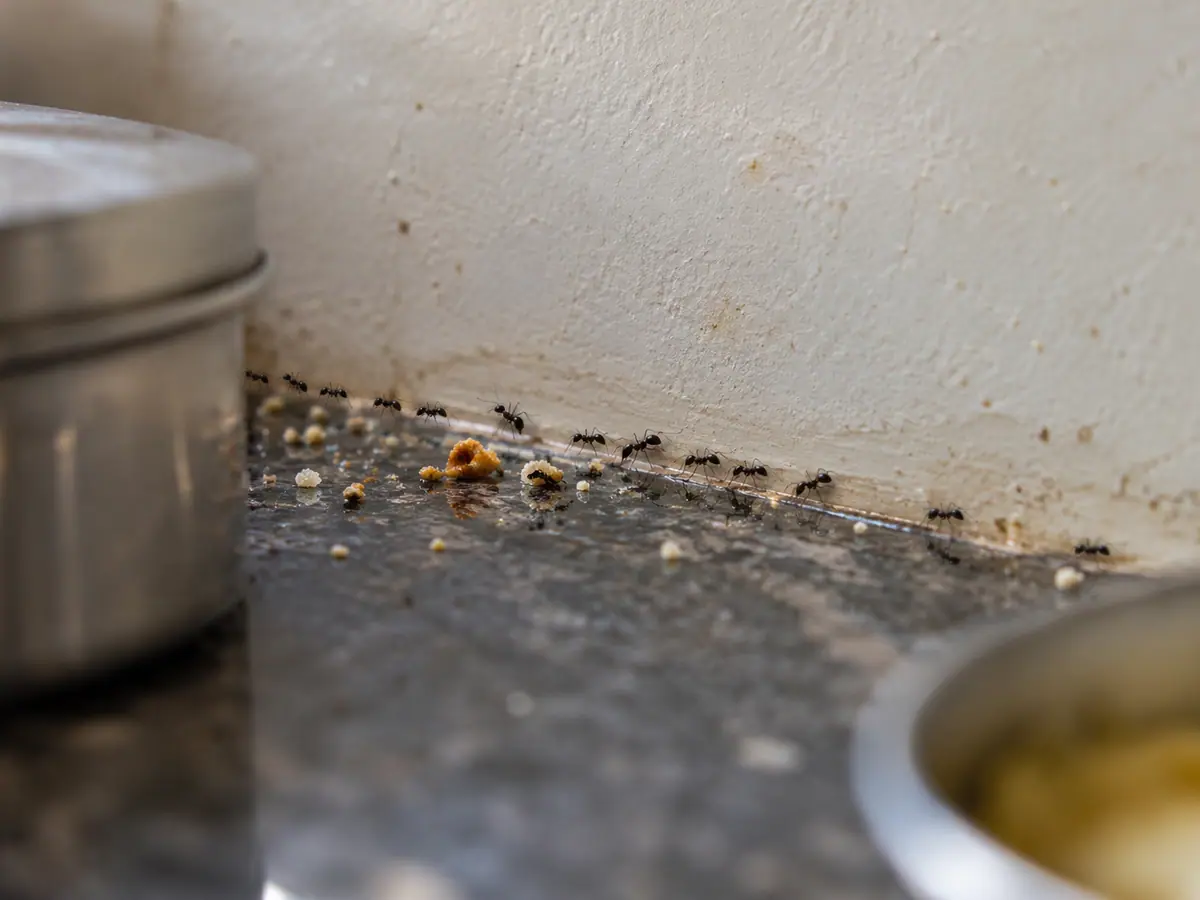
Evidence of an ant infestation often appears as recurring trails, nesting material or winged ants. A few visible workers may represent activity from a larger colony hidden inside a wall gap, beneath flooring, under concrete or outside the building.

Line of ants following a trail along a kitchen wall

Recurring Trails Inside the Property

Recurring trails inside the property show that worker ants have found food, water or shelter. Inspect these common activity areas:

  • Kitchen counters, cabinets and pantries
  • Sinks, bathrooms and laundry rooms
  • Window frames, skirting boards and door gaps
  • Plumbing lines and utility penetrations
  • Pet-feeding areas and waste containers
  • Commercial kitchens and food-storage rooms

Wiping away a trail removes visible ants, but it may not reach the nest or stop workers from returning.

Nests and Outdoor Activity

Nests and outdoor activity may appear as soil beside building edges, pavement cracks, planters, garden beds or walkways. Ants may also shelter beneath stones, inside tree stumps, around stored wood or in moist, decaying timber.

Winged Ants and Wood-Nesting Activity

Winged ants and wood-nesting activity can indicate a mature colony nearby. Shed wings, rustling inside voids, coarse wood shavings and galleries in damp wood require careful identification.

Winged ants usually have elbowed antennae, a narrow waist and unequal wing pairs. Termite swarmers generally have straight antennae, a broad waist and wings of similar length. A professional inspection can differentiate the insects before treatment begins.

Ant Species We Inspect For

Ant species identification directs the treatment plan. Worker size, colour, waist structure, nesting behaviour, food preference and trail location help the technician determine which ant is active.

Carpenter Ants

Carpenter ants excavate damp, decayed or hollow wood to create nesting galleries. They do not consume wood like termites, but established activity can affect damaged timber, wall gaps, roof spaces and wooden fixtures.

A carpenter-ant inspection checks moisture problems, large workers, wood debris, parent nests and satellite nests. Treatment may require moisture correction, direct nest access and targeted applications.

Pharaoh Ants

Pharaoh ants are very small indoor ants that favour warm, humid areas near food and water. Their colonies can contain multiple queens and may divide through a process called budding.

Repellent spraying can scatter some colonies and spread activity into new areas. A bait-focused plan allows foraging workers to carry an accepted bait toward nestmates.

Ghost Ants and Small House Ants

Ghost ants and other small house ants often trail around sinks, cupboards, windows and sweet residues. Their pale colouring can make them difficult to see on light surfaces. Inspection identifies their routes, feeding preference and likely nesting areas before bait is selected.

Outdoor and Stinging Ants

Outdoor and stinging ants may establish nests in garden soil, paving joints or planters. The technician checks mound structure, colony density, defensive behaviour and proximity to people or pets before recommending mound or garden treatment.

Exact species and treatment requirements are confirmed during inspection.

Why Ants Enter Homes and Businesses

Ants enter homes and businesses when the property provides accessible food, moisture, shelter or a route indoors.

Food Sources

Food sources attract foraging workers and reinforce active trails. Common attractants include:

  • Crumbs, spills, sugar and grease
  • Open pantry products
  • Pet food and feeding residue
  • Waste and recycling
  • Food deposits beneath appliances
  • Honeydew-producing insects on outdoor plants

Water and Moisture

Water and moisture support ants in kitchens, bathrooms, utility rooms and damaged timber. Plumbing leaks, condensation, poor drainage, excess irrigation and inadequate ventilation can sustain nesting conditions.

Entry Points and Harbourage

Entry points and harbourage connect outdoor colonies with indoor resources. Ants can enter through wall cracks, expansion joints, door gaps, window frames and openings around cables or pipes. Vegetation, planters and stored debris beside the structure can provide additional shelter.

Our Treatment Process

Our treatment process addresses the species, colony and site conditions instead of treating every infestation in the same way.

Detailed Inspection

A detailed inspection establishes where the ants travel and why they remain active. The technician:

  • Identifies or narrows down the ant species
  • Follows foraging trails toward possible nests
  • Assesses indoor and outdoor activity
  • Checks food, water and moisture sources
  • Examines wall gaps, structural gaps and entry points
  • Records likely parent nests or satellite colonies

Customized Treatment Plan

A customized treatment plan matches the formulation and placement to the infestation. Depending on the findings, the service may include:

  • Gel, liquid or granular ant bait
  • Indoor or outdoor bait stations
  • Crack-and-crevice applications
  • Wall-void treatment
  • Direct nest or mound treatment
  • Exterior perimeter treatment
  • Habitat modification
  • Exclusion and sanitation recommendations

The ant species, nest location, activity level, property type and access conditions determine the final scope.

Colony-Focused Control

Colony-focused control targets more than the visible workers. Foraging ants can carry slow-acting bait back toward nestmates, while carefully placed treatments address confirmed harbourage or nesting sites.

Bait acceptance depends on the species and its current feeding preference. Avoid spraying household insecticide on trails or near bait stations unless the technician instructs you to do so, because contamination or repellency may reduce bait acceptance.

Monitoring and Follow-Up

Monitoring and follow-up measure whether the colony is responding. A follow-up service may involve:

  • Checking bait consumption
  • Measuring changes in trail activity
  • Replenishing or repositioning bait
  • Treating newly located nesting sites
  • Reassessing moisture and food sources
  • Sealing suitable entry points
  • Providing practical prevention steps

Established colonies, multiple nesting sites and carpenter-ant activity may require more than one visit.

Indoor and Outdoor Treatments

Indoor and outdoor treatments address the connected areas ants use for nesting, foraging and entering the property.

Indoor Treatment

Indoor treatment may cover kitchens, pantries, bathrooms, wash areas, store rooms, wall gaps and food-handling areas. Applications are placed in defined target areas according to the product label and the site assessment.

Exterior Treatment

Exterior treatment may cover balconies, terraces, parking areas, walkways, garden beds, planters, trees, utility lines and structural penetrations. Weather, watering and nest accessibility influence the selected method.

Service for Homes and Businesses

Service for homes and businesses is adjusted to the property’s construction, occupancy and operating needs.

Residential Service

Residential service covers independent houses, flats, apartments, rented homes and housing societies. The technician explains preparation requirements, treated areas and precautions relevant to children, pets and occupants before work starts.

Commercial Service

Commercial service supports restaurants, offices, shops, warehouses, healthcare premises, schools and multi-unit properties. Treatment can include inspection records, discreet scheduling, sanitation coordination, monitoring and recurring pest-management recommendations where required.

Integrated Ant Pest Management

Integrated ant pest management combines inspection, identification, monitoring and targeted control. Kharadi Pest Control may coordinate baiting with sanitation, moisture correction, exclusion and limited label-directed pesticide applications.

This approach reduces the conditions that support the infestation while concentrating treatment on active trails, nests and entry areas.

How to Help Prevent Future Activity

How to help prevent future activity begins with reducing access to food, water and shelter:

  • Store food in sealed containers.
  • Clean crumbs, grease and spills promptly.
  • Empty waste and recycling regularly.
  • Remove pet food after feeding.
  • Repair leaking pipes and faucets.
  • Improve drainage and ventilation.
  • Trim branches away from the building.
  • Remove wood, leaf litter and debris near building edges.
  • Seal cracks and utility gaps at the appropriate stage.
  • Avoid piling soil or debris against exterior walls.
  • Monitor previously active trails and entry points.

Prevention can reduce new activity, but it may not control an established colony hidden inside the property.

Why Choose Kharadi Pest Control?

Kharadi Pest Control provides an inspection-led solution for recurring ant activity. We identify the problem, explain the available treatment options and recommend a plan based on the property rather than relying on a general surface spray.

Customers can expect:

  • Local service in Kharadi, Pune
  • Residential and commercial ant-control options
  • Species-conscious treatment selection
  • Clear preparation and aftercare instructions
  • Targeted indoor and outdoor applications
  • Straightforward estimates based on the inspection

Ask our team to confirm appointment availability, covered localities and follow-up terms when booking.

Frequently Asked Questions

How does professional ant control work?

Professional ant control identifies the species, follows its trails, assesses likely nesting areas and places suitable treatments where workers or colonies are active.

What kind of ants are in my home?

The ant’s size, colour, waist, odour, food preference and nesting behaviour help identify it. A technician should inspect the workers and activity pattern before selecting treatment.

Are ant baits better than sprays?

Ant baits are often useful when workers can carry the formulation toward the colony. Sprays may suit specific exterior, crack or nest applications. The correct option depends on the species and nest location.

Why do ants keep coming back?

Ants return when a colony remains active or the property continues to provide food, moisture and entry points. Multiple nests and untreated outdoor activity can also cause recurring trails.

How long does treatment take to work?

Treatment time varies with the species, colony size, bait acceptance and number of nesting sites. Some activity may decline gradually as workers transfer bait through the colony.

Will I need more than one treatment?

Some infestations need monitoring and follow-up, particularly when colonies have multiple nests, hidden harbourage or continuing access to moisture.

Is treatment suitable for homes with children or pets?

The technician selects and places products according to the label and site conditions. Tell the company about children, pets, aquariums, allergies or other occupancy concerns before treatment.

What should I do before the technician arrives?

Clean accessible food residue, store open food, avoid disturbing active trails and note where ants appear. Do not spray the ants immediately before the inspection.

Can carpenter ants damage wood?

Carpenter ants can excavate galleries in damp or damaged wood. They do not eat the wood, but established nesting can affect already compromised material.

How much does ant control cost?

Ant-control cost depends on the property size, infestation severity, species, treatment area and number of visits. Request an inspection-based estimate for an accurate price.

Do you treat ants inside and outside?

Treatment may cover indoor trails, wall gaps, exterior entry points, building edges, garden beds or confirmed nests. The inspection determines which areas need service.

Is the service covered by a warranty?

Warranty and follow-up terms depend on the selected service plan. Ask for the covered areas, period, exclusions and revisit terms before approving treatment.

Schedule an Ant Inspection

Schedule an ant inspection when trails keep returning, ants enter food-storage areas, winged ants appear indoors or nesting activity is suspected inside wood or walls.

Kharadi Pest Control serves Kharadi, Pune. Contact us to confirm availability for your address.

Book an inspection

Call Now WhatsApp