Skip to content
Kharadi
Pest Control

Professional Carpet Beetle Control in Kharadi, Pune

Carpet beetle control from Kharadi Pest Control identifies active larvae, traces hidden breeding sites, assesses damaged natural-fibre materials, and applies a treatment plan suited to the property. Our inspection checks fuzzy larvae, brown cast skins, carpet edges, wardrobes, upholstered furniture, stored textiles, wall gaps, and other concealed harbourages.

Correct identification comes first because carpet beetles, clothes moths, and other fabric pests require different control measures. If you have found holes in wool clothing, damaged rugs, shed skins, or small beetles near windows, arrange a professional carpet beetle inspection in Kharadi, Pune.

Evidence of a Carpet Beetle Infestation

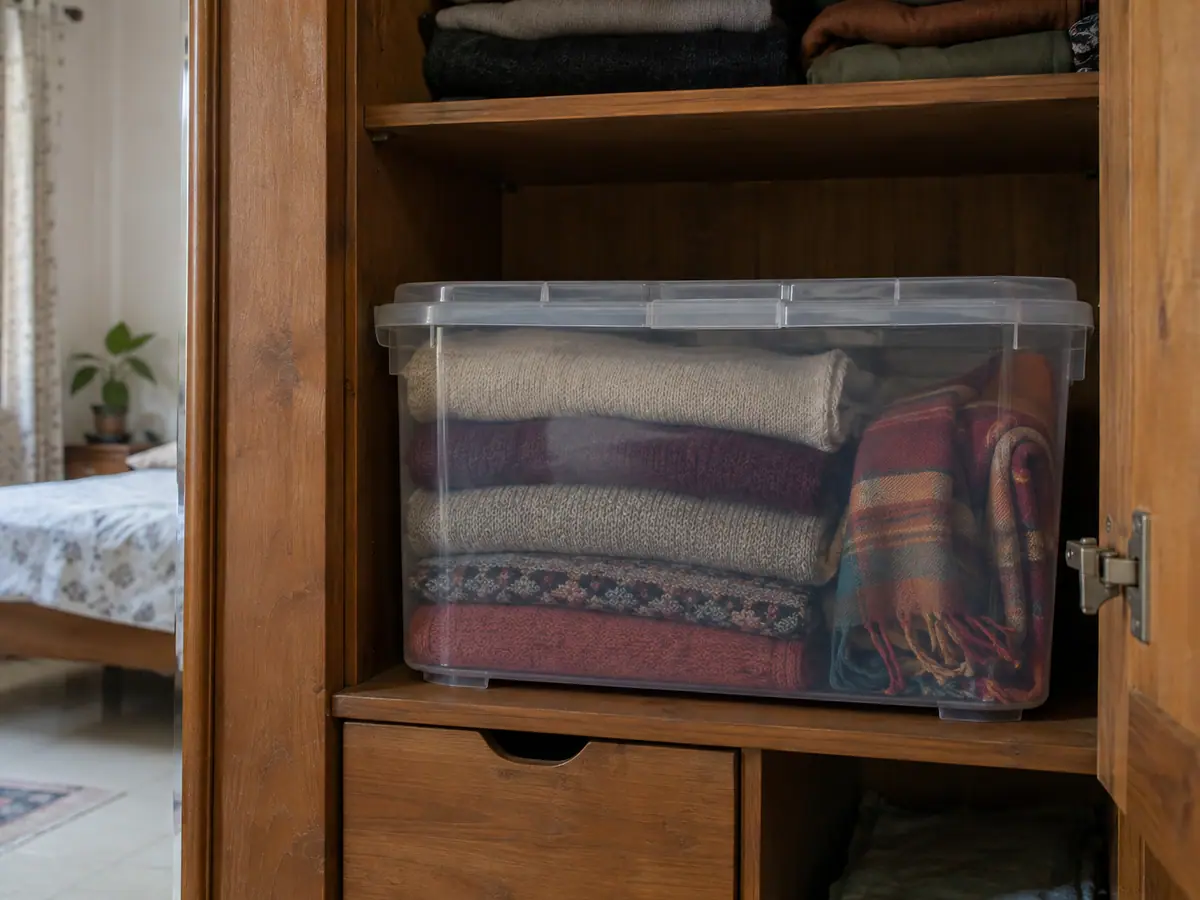
Woollen clothes stored in a sealed container

Carpet beetle larvae and cast skins

Carpet beetle larvae are the damaging life stage. They usually look fuzzy, hairy, or bristly and prefer dark, quiet areas where suitable food remains undisturbed.

Look for:

  • Larvae beneath furniture and rugs
  • Fuzzy brown larvae along carpet edges
  • Larvae inside closets, drawers, or storage boxes
  • Brown or tan shell-like cast skins
  • Small granular faecal pellets near feeding areas
  • Activity around lint, pet hair, feathers, or dead insects

A larva moults while developing and leaves a bristly cast skin. These shed skins can remain visible after the insect has moved to another feeding site.

Damage to carpets, clothing, and furnishings

Carpet beetle damage often appears as irregular holes or concentrated surface loss. Larvae may feed on wool carpets, rugs, fur, feathers, silk, leather, natural-bristle brushes, upholstery fillings, taxidermy, and stored clothing.

Synthetic carpet alone does not provide suitable food, but larvae can survive beneath it by feeding on accumulated hair, lint, dead insects, food residue, or a natural-fibre backing. Wool blends and soiled synthetic fabrics may also support activity.

Adult beetles near windows

Adult carpet beetles are small, rounded or elongated beetles that may look mottled, brown, or black. They can fly, feed mainly on pollen and nectar, and often collect on windowsills because light attracts them.

One adult near a window does not automatically confirm an indoor infestation. Developing larvae, fresh cast skins, faecal pellets, or material damage provide stronger evidence of active fabric-pest activity.

Carpet Beetle Identification

Varied carpet beetle

The varied carpet beetle, Anthrenus verbasci, has a small, rounded adult body covered with mottled white, brown, black, and yellow scales. Its banded, hairy larva has prominent hair tufts toward the rear.

Furniture carpet beetle

The furniture carpet beetle, Anthrenus flavipes, has a rounded adult body with mottled white, yellow-orange, and black scales. Its larva begins pale and becomes reddish or chestnut brown as it matures.

Black carpet beetle

The black carpet beetle, Attagenus unicolor, has an elongated dark-brown or black adult body. Its tapered brown larva ends in a distinctive terminal hair tuft and may infest natural-fibre materials as well as dry stored products such as cereals, flour, or grain.

Carpet beetles versus clothes moths

Carpet beetle and clothes moth larvae can damage similar materials, but their evidence differs:

Evidence Carpet beetles Clothes moths
Damaging stage Hairy beetle larva Pale moth caterpillar
Feeding evidence Bristly cast skins and pellets Silken webbing, tubes, or cases
Typical damage Concentrated irregular damage Often scattered holes
Adult insect Small rounded or elongated beetle Small moth
Webbing Usually absent Often present

Our technicians examine the insect, damage pattern, cast skins, and surrounding material before recommending professional carpet beetle removal.

Where Carpet Beetles Hide and Breed

Hidden feeding material allows a carpet beetle infestation to continue even when visible adults have been removed. Our inspection can cover:

  • Carpet edges, rug undersides, skirting boards, and floor cracks
  • Closets, wardrobes, drawers, and textile-storage areas
  • Upholstery seams, furniture undersides, and natural-fibre fillings
  • Air vents, wall gaps, false ceilings, and storage rooms
  • Pet bedding and areas containing hair or lint
  • Dead insects, old webs, and nesting debris
  • Bird, rodent, bee, or wasp nests around the structure
  • Wool, fur, silk, leather, feathers, and taxidermy
  • Dry pantry goods when black carpet beetles are suspected

Eggs are small and difficult to detect because adult females place them near suitable larval food. Larvae feed and moult before pupating, sometimes inside their final larval skin and close to the affected material.

What Causes Carpet Beetle Infestations?

Carpet beetle infestations begin when adult beetles enter through open doors, damaged screens, vents, or structural gaps. They may also arrive on cut flowers, secondhand furniture, infested textiles, stored goods, or preserved specimens.

Indoor larvae develop where they can reach animal fibres, pet hair, lint, feathers, dead insects, or certain stored products. Undisturbed cupboards, false ceilings, voids, and animal nests provide protected harbourages.

An infestation does not prove poor housekeeping. Even a clean property may contain a concealed nest, inaccessible debris, infested article, or exterior entry point.

Our Carpet Beetle Control Process

1

Detailed inspection

A detailed inspection examines damaged materials and searches likely larval habitats. We check carpet edges, furniture, closets, voids, storage areas, pantry goods where relevant, and possible entry points to determine whether the pest is a carpet beetle, clothes moth, or another insect.

2

Species and infestation assessment

Species and infestation assessment determines the pest, life stage, distribution, food source, and severity of activity. These findings guide where we clean, monitor, exclude, or treat.

3

Source removal and sanitation

Source removal interrupts larval development by clearing the material that sustains it. Recommendations may include:

  • Vacuuming carpets, rugs, upholstery, edges, and crevices
  • Removing lint, pet hair, dead insects, and nesting debris
  • Laundering or dry-cleaning suitable affected textiles
  • Isolating delicate or potentially infested items
  • Discarding severely damaged articles when necessary
  • Placing clean, pest-free textiles in airtight containers
4

Targeted carpet beetle treatment

Targeted treatment addresses confirmed harbourages rather than relying on broad surface spraying. Depending on the inspection, treatment may include crack-and-crevice application, spot treatment along carpet edges and skirting boards, treatment beneath rugs or furniture, labelled insecticidal dust in suitable inaccessible voids, or monitoring traps.

Every insecticide must be selected for the intended pest and application site and applied according to its label. Clothing and bedding should not be sprayed unless the product label expressly permits that use. Sanitation, exclusion, and source removal remain central to control.

5

Follow-up and prevention

Follow-up checks continuing activity, source areas, and monitoring traps where used. We may also recommend sealing gaps around doors, windows, vents, and storage spaces, improving textile storage, or correcting conditions specific to the property.

This integrated pest management process combines identification, monitoring, sanitation, exclusion, and justified treatment.

Why DIY Treatment May Not Be Enough

DIY carpet beetle treatment may remove visible insects without reaching the source. Common problems include:

  • Treating adult beetles while missing concealed larvae
  • Applying surface spray without cleaning infested material
  • Confusing carpet beetles with clothes moths
  • Missing activity in false ceilings, voids, furniture, or old nests
  • Using foggers where precise treatment is required
  • Returning untreated items to cleaned storage
  • Relying on traps without removing larval food sources

Call a local carpet beetle specialist when activity continues, valuable items are at risk, several rooms are affected, or you cannot locate the breeding material.

Preparing for Treatment

Treatment preparation depends on the inspection and proposed control method. Kharadi Pest Control may ask you to:

  • Preserve a specimen or take a clear photograph
  • Keep suspected textiles out of unaffected rooms
  • Make carpet edges, closets, and furniture accessible
  • Identify valuable rugs, garments, taxidermy, or collections
  • Follow laundering or dry-cleaning instructions
  • Vacuum specified areas and dispose of the contents promptly
  • Keep people and pets away for the instructed period

We provide property-specific preparation and aftercare instructions before treatment begins.

Preventing Future Activity

Carpet beetle prevention restricts entry, removes food sources, and protects susceptible materials.

  • Vacuum carpet edges, rugs, upholstery, and spaces beneath furniture.
  • Remove lint, pet hair, dead insects, and old webs.
  • Store clean wool, silk, fur, and feather items in sealed containers.
  • Inspect secondhand furniture, textiles, and flowers before bringing them indoors.
  • Repair damaged screens and seal gaps around doors, windows, and vents.
  • Inspect stored rugs, woollens, and seasonal clothing periodically.
  • Remove abandoned animal nests where it is legal and safe to do so.
  • Use sticky or species-specific pheromone traps for monitoring, not as the only control measure.

Residential and Commercial Services

Residential properties

Residential carpet beetle control covers houses, flats, wardrobes, rugs, upholstered furniture, storage rooms, pet areas, and other concealed feeding sites across Kharadi, Pune.

Commercial and specialist properties

Commercial carpet beetle control can support warehouses, textile-storage facilities, museums, archives, retail premises, managed properties, and businesses that store natural-fibre products or preserved specimens. Inspection scope and monitoring requirements are matched to the site and the materials at risk.

Why Choose Kharadi Pest Control?

Kharadi Pest Control follows an inspection-led process that connects each treatment decision to visible evidence. Customers receive a targeted treatment plan, clear preparation instructions, practical aftercare, residential or commercial service options, and a tailored estimate based on the findings.

Carpet Beetle Control Cost

Carpet beetle control cost depends on the property size, infestation severity, affected rooms, accessible and concealed harbourages, contaminated materials, treatment method, and need for follow-up visits. Commercial sites may also require documented monitoring or treatment across several storage areas.

Request a carpet beetle inspection and tailored quote from Kharadi Pest Control.

Frequently Asked Questions

How do I know if I have carpet beetles?

Look for hairy larvae, bristly cast skins, granular pellets, concentrated damage to animal-derived fibres, or repeated adult beetles near windows. An inspection can confirm the pest and locate its source.

What do carpet beetle larvae look like?

Carpet beetle larvae are small, brownish, hairy or bristly insects. Their shape, banding, and hair tufts differ by species.

Do carpet beetles bite people?

Carpet beetles do not bite people. Their larvae damage suitable organic materials rather than feeding on blood.

Why are adult beetles appearing near my windows?

Adult beetles fly toward light and often collect on windowsills. They may have entered from outdoors or emerged from an indoor source.

What materials do the larvae damage?

Larvae may damage wool, silk, leather, fur, feathers, animal hair, natural bristles, rugs, clothing, upholstery, and preserved specimens.

Can they live in synthetic carpet?

They do not digest synthetic fibres, but they may live around synthetic carpet where hair, lint, insects, food residue, wool backing, or blended fibres are available.

Are carpet beetles the same as clothes moths?

No. They are different fabric pests. Carpet beetle larvae leave bristly cast skins, while clothes moth larvae often produce silk webbing or cases.

Can vacuuming eliminate an infestation?

Thorough vacuuming can remove accessible eggs, larvae, insects, and food debris. It may not reach infested voids, furniture filling, stored items, or nesting material.

Should I discard infested clothing or rugs?

Not automatically. Suitable items may be laundered, dry-cleaned, isolated, or professionally treated. Severely damaged or impractical-to-treat articles may require disposal.

How long does treatment take?

Service time depends on the inspection area, number of affected rooms, source locations, and selected treatment. We explain the expected schedule before work starts.

Will I need more than one visit?

Some infestations require follow-up because larvae can occupy several concealed harbourages. Repeat service depends on continuing evidence and the original treatment plan.

Is treatment suitable for homes with children or pets?

The technician selects treatment methods for the specific site and provides access restrictions and aftercare instructions. All products must be applied according to their labels.

How should I prepare?

Preserve a specimen, avoid spreading affected items, provide access to likely harbourages, and follow the preparation instructions issued after inspection.

How can I stop carpet beetles from returning?

Remove lint and animal debris, vacuum regularly, protect clean textiles in sealed containers, repair screens, seal gaps, inspect incoming items, and recheck vulnerable storage areas.

Book Carpet Beetle Control in Kharadi, Pune

Carpet beetle control in Kharadi starts with correct identification, a search for larval food sources, targeted treatment, and practical prevention. Kharadi Pest Control serves residents, property owners, property managers, and businesses that need a clear response to suspected fabric-pest activity.

Call Kharadi Pest Control, submit the enquiry form, or request a convenient inspection appointment for professional carpet beetle treatment in Kharadi, Pune.

Book an inspection

Call Now WhatsApp