Skip to content
Kharadi
Pest Control

Professional Lizard Control Services in Kharadi, Pune

Lizard control services remove unwanted house lizards and address the conditions that bring them indoors. Kharadi Pest Control inspects entry gaps, captures accessible lizards, reduces insect prey and recommends structural exclusion to limit recurring activity.

Our lizard pest control service covers homes, apartments, offices, restaurants, hotels, shops and other commercial properties in Kharadi, Pune.

  • Indoor house lizard removal
  • House gecko control
  • Entry-point inspection
  • Insect-source management
  • Gap sealing and pest proofing
  • Residential and commercial service
  • Follow-up and prevention advice

Are Lizards Getting Inside Your Property?

Recurring lizard activity often indicates accessible entry points, abundant insects or suitable hiding places. One lizard may enter accidentally, but repeated sightings require a closer inspection.

Arrange a lizard inspection if you notice:

  • Lizards on walls, ceilings, windows or light fixtures
  • House geckos in kitchens, bedrooms or bathrooms
  • Droppings near cupboards, ledges or appliances
  • Small eggs or shed skin in protected spaces
  • Geckos gathering around exterior lights
  • Lizards hiding behind furniture or equipment
  • Repeated sightings after individual lizards are removed

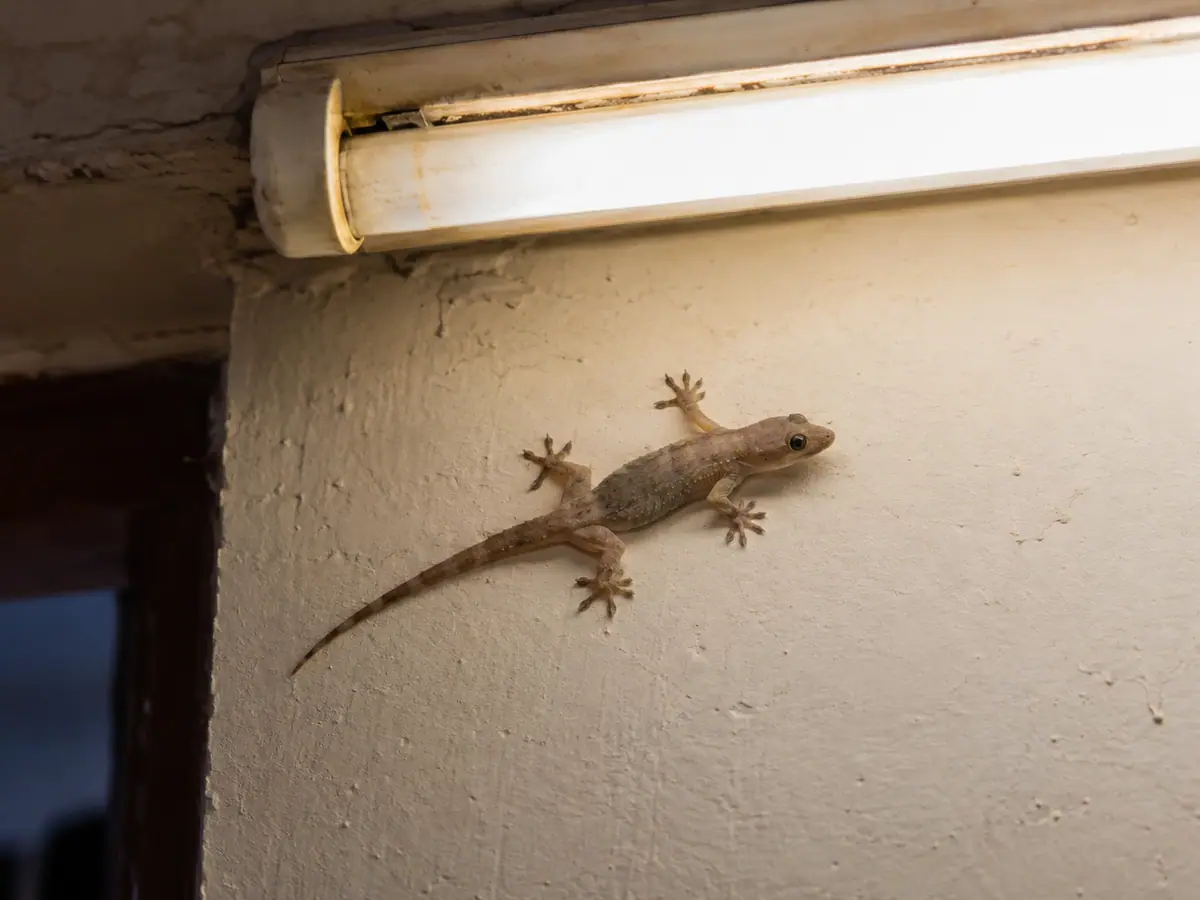
Our technicians trace the conditions connected to the activity. Exterior lights attract insects. Insects attract geckos. Openings around doors, windows and utility lines allow them to enter.

House gecko on a wall near a light

Common House Lizards and Geckos

House geckos are nocturnal, insect-eating reptiles that can climb walls and ceilings. They often wait near lights for moths, flies, cockroaches and other small arthropods. During the day, they shelter inside cracks, wall gaps and other protected spaces.

Pune and Maharashtra support several gecko and lizard species, so identification should not rely on colour or size alone. Kharadi Pest Control assesses the animal before selecting a handling method. Unfamiliar, large or potentially dangerous reptiles should be referred to an appropriate wildlife professional.

Evidence of Lizard Activity

Evidence of lizard activity can reveal where the animal feeds, hides and enters. Common indicators include:

  • Live lizards or geckos, particularly after dark
  • Brown or dark droppings with a pale urate tip
  • Small eggs inside cracks or concealed areas
  • Activity near windows, lamps and exterior lights
  • Hiding places behind refrigerators, cupboards or furniture
  • Flies, moths, mosquitoes, ants or cockroaches in the same area
  • Gaps around doors, screens, pipes, vents and cables

Do not identify unknown droppings solely by appearance. Rodent, bat and reptile waste can require different cleaning and control measures.

Why Lizards Enter Homes and Businesses

Insect food sources

Insect food sources attract lizards to kitchens, balconies, gardens and illuminated building exteriors. Cockroaches, moths, flies, mosquitoes, ants and other small arthropods provide a regular food supply.

Controlling the prey reduces one of the main reasons geckos remain near a building.

Structural openings

Structural openings give small lizards access to indoor walls and rooms. Common entry points include:

  • Gaps beneath doors
  • Damaged window screens
  • Openings around pipes and cables
  • Unprotected ventilation points
  • Cracks in walls and window frames
  • Gaps along ceiling edges and rooflines

Lizards can climb and enter through surprisingly small openings.

Shelter and harbourage

Shelter protects lizards from disturbance and weather. Stored boxes, clutter, appliances, dense vegetation, stacked wood, rocks and construction materials can create warm, dark hiding places.

Clearing these harbourages makes inspection easier and reduces suitable resting areas.

Exterior lighting

Exterior lighting can concentrate insects near doors and windows. Geckos then gather where prey is readily available. Repositioning fixtures, reducing unnecessary operating hours or selecting less insect-attractive lamps may reduce activity.

Our Lizard Control Process

1

Property inspection

A property inspection identifies activity areas, entry points and contributing conditions. The technician checks rooms, exterior walls, door gaps, screens, utility openings, moisture, insect activity and likely hiding places.

2

Species and activity assessment

A species and activity assessment separates an isolated visitor from a recurring problem. The technician records sighting frequency, affected rooms, sensitive areas, occupants, pets and business requirements before recommending action.

3

Humane indoor removal

Humane indoor removal captures accessible lizards with species-appropriate methods. Release or relocation is considered only where permitted and suitable. Direct chemical treatment of the lizard is avoided where practical.

4

Insect-source management

Insect-source management reduces the gecko’s food supply. The service may include cockroach control, fly management, sanitation advice, moisture correction and changes to waste or lighting practices.

5

Exclusion and pest proofing

Exclusion blocks the routes that lizards use. Depending on the inspection findings, technicians may seal accessible gaps, fit door gap seals, repair screens or protect openings around vents, pipes and cables. Larger repairs are identified for the property owner or maintenance team.

6

Habitat modification

Habitat modification removes shelter near the structure. Recommended actions may include clearing clutter, moving stored materials away from walls, trimming vegetation and correcting damp or undisturbed areas.

7

Follow-up and monitoring

Follow-up monitoring checks whether sightings continue and whether exclusion work remains intact. The prevention plan can then be corrected if insects, new gaps or hidden harbourages are still supporting activity.

Lizard Control for Homes

Residential lizard control addresses the rooms and exterior areas where families most often report activity. Kharadi Pest Control provides house lizard removal and gecko prevention for:

  • Apartments and housing societies
  • Villas and independent houses
  • Kitchens and pantries
  • Bedrooms and bathrooms
  • Balconies and terraces
  • Parking areas and storage rooms
  • Gardens and exterior walls

The technician explains preparation, pet precautions and access requirements before starting work. Discreet scheduling and recurrence prevention form part of the service plan.

Commercial Lizard Management

Commercial lizard management protects sensitive work, customer and food-handling areas. We inspect the building envelope, insect pressure, sanitation conditions and operational constraints at:

  • Restaurants and commercial kitchens
  • Hotels and hospitality properties
  • Food-handling and processing facilities
  • Warehouses and storage sites
  • Retail stores and offices
  • Healthcare premises
  • Schools and childcare settings

Available service documentation can include inspection findings, activity locations, recommendations and follow-up actions. Property managers can request scheduled monitoring where recurring insect pressure or structural access requires continued attention.

Are House Lizards Dangerous?

Most house lizards are nuisance intruders rather than destructive structural pests. They also consume insects and can be beneficial when they remain outdoors.

Lizards may bite if they are grabbed or handled roughly. Reptiles can also carry Salmonella and contaminate their surroundings, so wash your hands after contact and clean affected surfaces carefully.

Do not encourage children or pets to catch an unidentified reptile. Contact an appropriate wildlife professional if the animal is large, unfamiliar, injured or potentially dangerous.

Why Spraying Alone Does Not Prevent Lizards

Spraying alone does not close the openings that allow lizards to enter. A lasting control plan connects five related actions:

  1. Remove accessible lizards.
  2. Reduce cockroaches, flies, moths and other prey.
  3. Seal structural entry points.
  4. Clear hiding places.
  5. Correct lighting, sanitation and moisture conditions.

No spray, ultrasonic device, repellent or home remedy should be presented as a permanent solution. Extension guidance recommends structural exclusion as the central control measure for house geckos and other lizards.

Why Choose Kharadi Pest Control?

Kharadi Pest Control builds each recommendation around visible evidence and property conditions.

  • Inspection-led service planning
  • Humane handling methods
  • Integrated pest management
  • Residential and commercial solutions
  • Clear preparation and prevention advice
  • Written estimates available on request
  • Follow-up service options
  • Local coverage in Kharadi, Pune

Service scope, exclusion work and treatment requirements are explained before work begins.

Preparing for Your Service

Service preparation gives the technician safe access to activity areas.

  • Record where and when you saw the lizard.
  • Avoid chasing it into a wall gap or inaccessible space.
  • Secure cats, dogs and other pets.
  • Clear access to windows, walls and utility openings.
  • Store exposed food and cover preparation surfaces.
  • Report recent cockroach, fly, moth or ant activity.
  • Identify areas used by children or sensitive occupants.
  • Inform the technician about allergies or special site requirements.

Preventing Lizards After Treatment

Prevention keeps food, shelter and access routes under control.

  • Maintain window screens and door gap seals.
  • Seal new cracks and utility gaps.
  • Control indoor cockroaches and flying insects.
  • Keep food and waste in closed containers.
  • Repair leaks and reduce excess moisture.
  • Declutter cupboards, storerooms and equipment areas.
  • Keep boxes and materials away from walls.
  • Review exterior lighting near doors and windows.
  • Trim dense vegetation beside the building.
  • Schedule another inspection if sightings continue.

Lizard Control Cost in Kharadi

Lizard control cost depends on the inspection findings and the work required. Price factors include:

  • Property type and floor area
  • Number and frequency of sightings
  • Indoor or exterior activity
  • Accessibility of hiding places
  • Extent of the underlying insect problem
  • Number of structural entry points
  • Screens, sealants or door gap seals required
  • One-time removal or scheduled monitoring
  • Commercial access and documentation needs

Kharadi Pest Control provides a scope-based estimate after assessing the property.

Lizard Control in Kharadi, Pune

Kharadi service covers apartments, housing societies, offices, shops and hospitality properties with recurring indoor sightings. Lizard control includes activity assessment, accessible capture and checks around doors, windows, lights and service penetrations.

Contact Kharadi Pest Control to confirm appointment availability for your location.

Frequently Asked Questions

How do professionals remove a lizard from a house?

Professionals inspect the room, contain the accessible lizard and capture it with a suitable method. They then check how it entered and recommend exclusion.

Can pest control prevent house lizards from returning?

Pest control can reduce recurrence by controlling insect prey, sealing entry points and removing harbourage. No responsible service can guarantee that every outdoor lizard will permanently disappear.

Why do lizards keep appearing in my home?

Lizards keep appearing when the building provides insects, shelter and open entry routes. Repeated sightings usually justify an inspection of both the interior and exterior.

Does cockroach control reduce lizards?

Cockroach control can reduce an important food source. It works best when combined with fly management, sanitation, moisture correction and structural exclusion.

Where do house lizards hide during the day?

House lizards often hide in cracks, cupboards, wall gaps, stored materials and spaces behind furniture or appliances.

What do lizard droppings look like?

Lizard droppings are often dark or brown and may have a pale tip. Appearance alone cannot confirm the animal responsible.

Are lizard droppings a hygiene concern?

Droppings can contaminate surfaces and should be removed carefully. Avoid direct contact, wear suitable protection, clean the area and wash your hands afterward.

Is the service safe around children and pets?

The technician assesses children, pets and sensitive spaces before recommending a method. Follow all preparation, access and re-entry instructions provided for the selected treatment.

Do I need to leave during service?

Whether you need to leave depends on the work performed and any products used for the underlying insect problem. The technician will provide site-specific instructions.

Are glue traps used for lizard control?

Glue boards can injure lizards and non-target animals. Kharadi Pest Control prioritises inspection, controlled capture and exclusion. Any trapping method must follow company policy, product directions and applicable local requirements.

Does lizard-repellent spray work permanently?

No repellent spray should be expected to work permanently. Sprays do not repair screens, close door gaps or remove the insects that attract geckos.

How much does professional lizard control cost?

The price depends on property size, activity level, insect pressure and exclusion work. Request an inspection-based quote for an accurate service scope.

How soon can a technician visit?

Appointment times depend on location and current availability. Contact Kharadi Pest Control to request the earliest suitable inspection.

Schedule Lizard Control in Kharadi

Stop recurring lizard activity at its source. Book a professional inspection with Kharadi Pest Control to identify entry points, insect attractants, hiding areas and the appropriate removal and prevention measures for your property.

Book an inspection

Call Now WhatsApp