Skip to content
Kharadi
Pest Control

Silverfish & Booklice Control in Kharadi, Pune

Silverfish & Booklice Control from Kharadi Pest Control identifies the pest, traces moisture sources, treats active harbourages, and helps prevent another infestation. We provide inspection-led silverfish and psocid control for homes, businesses, libraries, offices, storage rooms, rented homes, and sensitive paper collections across Kharadi, Pune.

Our service combines pest identification, humidity assessment, monitoring, sanitation, exclusion, and targeted treatment. This integrated approach controls visible insects while correcting the damp conditions that allow them to persist.

Professional Control for Silverfish and Booklice Infestations

Professional control for silverfish and booklice infestations starts with finding the species, source, and supporting conditions. Silverfish often shelter behind skirting boards, cabinets, plumbing gaps, shelving, and wall gaps. Booklice commonly gather around damp paper, cardboard, stored products, windowsills, cupboards, and recently plastered areas.

Repeated sightings can indicate:

  • Plumbing or roof leaks
  • Condensation and poor ventilation
  • Elevated relative humidity
  • Mold or microscopic fungal growth
  • Damp wall gaps and concealed harbourage
  • Residual moisture in new construction
  • Paper, glue, starch, or dry-food sources

Kharadi Pest Control prepares residential silverfish treatments and commercial booklice-control plans according to the property, infestation level, material risks, and moisture conditions.

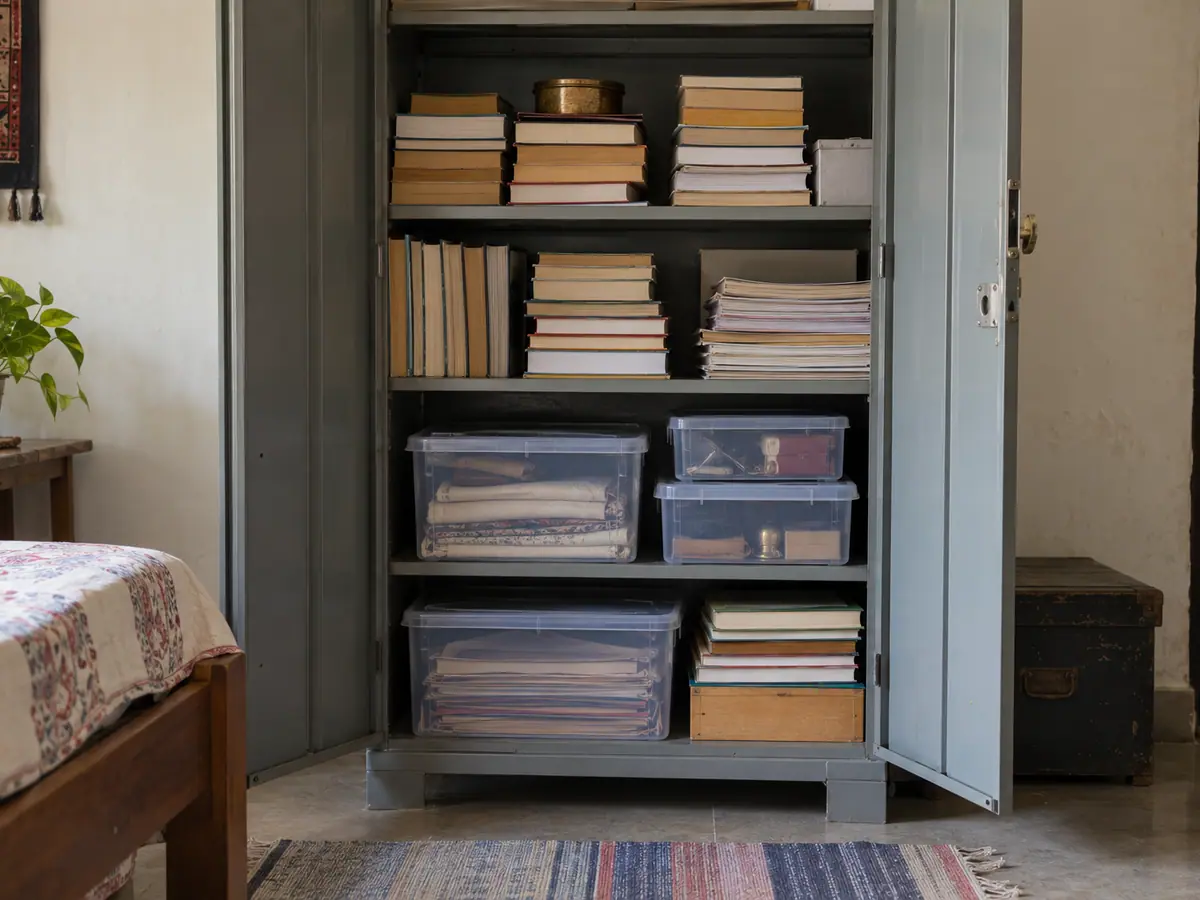
Books and papers stored in a dry, sealed cupboard

Are You Dealing With Silverfish or Booklice?

How to Identify Silverfish

How to identify silverfish begins with their distinctive tapered shape and rapid movement. Silverfish, scientifically known as Lepisma saccharina, are wingless, scale-covered insects with two antennae and three tail filaments.

Common identification features include:

  • Silver or pearl-grey colour
  • Tapered, wingless body
  • Three tail-like appendages
  • Fast, darting movement
  • Mostly nocturnal activity
  • Sightings in bathrooms, store rooms, closets, laundry rooms, bookcases, and wall gaps

Silverfish scrape or feed on cellulose and starch materials, including paper, cardboard, bookbinding glue, wallpaper paste, labels, fabric sizing, and some dry foods. Their activity can leave surface grazing, irregular holes, staining, and damaged bindings.

How to Identify Booklice

How to identify booklice starts with their very small size and association with damp materials. Booklice, also called psocids, are commonly 1 to 2 mm long. Indoor Liposcelis species are usually soft-bodied, flattened, pale, tan, grey, or nearly translucent.

Booklice are often found around:

  • Damp books, paper, and cardboard
  • Kitchen cupboards and stored-food packaging
  • Windowsills with condensation
  • Mold-affected shelving or walls
  • Newly plastered, painted, or constructed rooms
  • Warm, humid, and undisturbed storage areas

Household booklice are not parasitic lice. They do not bite people or pets and are not known as disease vectors. Their presence usually indicates humidity and mould-supporting conditions rather than direct structural damage.

Silverfish vs. Booklice

Silverfish vs. booklice identification depends on body shape, size, movement, food sources, and environmental conditions.

Feature Silverfish Booklice
Appearance Silver-grey with a tapered body Tiny, pale, tan, or translucent
Typical size Larger and readily visible Usually about 1 to 2 mm
Food sources Cellulose, starch, glue, paper, and debris Mold, fungi, grains, and starchy matter
Material damage Can graze paper and damage some fabrics Usually causes little direct paper damage
Main condition Moisture, shelter, and food High humidity and mould growth
Movement Rapid and darting Slower, sometimes clustered

Similar Pests We Rule Out

Similar pests we rule out include firebrats, springtails, thrips, carpet beetle larvae, stored-product insects, and termites. Firebrats resemble silverfish but prefer hotter areas and usually have mottled grey or brown colouring. Accurate identification prevents unnecessary treatment and directs control toward the correct harbourage.

Common Evidence of an Infestation

Common evidence of an infestation includes insects, material damage, and persistent dampness. Arrange an inspection if you notice:

  • Silver-grey insects in baths, sinks, cupboards, or along skirting boards
  • Tiny pale bugs crawling on books, cardboard, or food packaging
  • Night-time insect activity in bathrooms, kitchens, or store rooms
  • Grazing, holes, or yellow staining on paper
  • Damaged bindings, wallpaper, labels, or starched fabric
  • Scales, cast skins, or faecal debris near cracks
  • Mold, condensation, musty odours, or water staining
  • Recurring activity around pipes, cabinets, shelving, and wall gaps

What Attracts These Moisture-Related Pests?

Excess Moisture and Humidity

Excess moisture and humidity sustain mould, booklice populations, and sheltered silverfish activity. Common sources include leaking pipes, roof defects, condensation, damp concealed spaces, blocked ventilation, wet wall gaps, and construction materials that have not dried completely.

Accessible Food Sources

Accessible food sources include paper, cardboard, binding glue, wallpaper paste, fungi, cereals, flour, pasta, pet food, fabric sizing, insect fragments, dust, and organic debris. Storing these materials in damp, undisturbed areas increases the risk of pest activity.

Concealed Hiding Areas

Concealed hiding areas give silverfish and booklice protected places to shelter or reproduce. Inspectors trace activity around cracks, cabinets, skirting boards, pipe penetrations, wall gaps, storage boxes, false ceilings, kitchens, bathrooms, libraries, and archives.

Our Inspection and Treatment Process

1

Detailed Pest Inspection

Detailed pest inspection confirms whether the insects are silverfish, booklice, firebrats, springtails, or another pest. We survey moisture-prone rooms, inspect paper and stored goods, locate harbourages, assess ventilation, and check for damage, condensation, leaks, and mould.

2

Moisture and Humidity Assessment

Moisture and humidity assessment identifies the conditions supporting the infestation. We may recommend leak repairs, ventilation, air movement, controlled heating, drying, dehumidification, or changes to storage practices.

Reducing relative humidity to approximately 45 to 50 percent or lower can prevent booklice from persisting. Insecticide treatment is unlikely to provide lasting control while damp conditions remain.

3

Targeted Pest Control

Targeted pest control addresses active insects and concealed travel routes. Depending on the findings, technicians may:

  • Vacuum accessible pests and debris
  • Place sticky traps along edges, cabinets, and bookcases
  • Treat suitable cracks, crevices, voids, and pipe gaps
  • Isolate or remove contaminated stored products
  • Apply only products labelled for the pest and treatment site
  • Protect books, food, textiles, photographs, and sensitive materials from indiscriminate application

Sticky traps help detect activity and measure population changes. They do not repair leaks or correct the underlying moisture source.

4

Source Reduction and Exclusion

Source reduction and exclusion remove food, shelter, and access points. We advise clients to clean dust and organic debris, discard badly contaminated goods, seal gaps, reduce cardboard storage, and place grains, flour, cereal, pasta, and pet food in tightly closing glass or plastic containers.

5

Follow-Up and Prevention

Follow-up and prevention confirm whether pest activity and moisture levels are falling. Where required, we reinspect monitored areas, review sticky traps, verify corrective work, and apply further crack-and-crevice treatment to active harbourages.

Why Moisture Control Is Essential

Moisture control is essential because booklice feed mainly on moulds and fungi, while silverfish depend on damp, sheltered conditions. Sprays alone cannot correct condensation, dripping water, wet plaster, or a leaking pipe.

Practical control may include:

  • Repairing plumbing and roof leaks
  • Running operational extractor fans
  • Increasing airflow around stored materials
  • Using a dehumidifier in enclosed rooms
  • Measuring humidity with a hygrometer
  • Drying recently plastered or painted areas
  • Raising boxes and paper collections off damp floors
  • Cleaning mould-affected locations safely

Minor booklice activity often declines after the area is dried and its moisture source is corrected. Dehumidifiers can support this process, but water intrusion and leaks must also be repaired.

Materials and Areas We Help Protect

Materials and areas we help protect include personal belongings, commercial stock, and sensitive collections:

  • Books, bindings, documents, photographs, and records
  • Wallpaper, labels, cartons, and packaging
  • Clothing and natural-fibre textiles
  • Dry food and pet food
  • Offices, storage rooms, and warehouses
  • Libraries, archives, museums, and galleries
  • Hotels, rented homes, and institutional buildings
  • Food-storage and document-storage facilities

Controlled humidity, airflow, raised storage, routine inspection, careful cleaning, and sealed containers help safeguard vulnerable items.

Control for Homes and Businesses

Residential Properties

Residential silverfish treatment and booklice removal cover bathrooms, kitchens, bedrooms, store rooms, false ceilings, laundry rooms, parking areas, closets, and household storage areas. We diagnose the source and provide clear preparation, treatment, and aftercare instructions.

Commercial and Sensitive Sites

Commercial silverfish and booklice control protects offices, libraries, archives, museums, warehouses, hotels, schools, and food-storage premises. Treatment decisions account for occupancy, stored materials, operational requirements, and the need to protect paper, textiles, food, and display items.

Why Choose Kharadi Pest Control?

Kharadi Pest Control provides a practical, inspection-led service for moisture-related pests in Kharadi, Pune.

  • Accurate silverfish, booklice, and firebrat identification
  • Moisture-focused integrated pest management
  • Targeted treatment of cracks, crevices, and harbourages
  • Monitoring with sticky traps where appropriate
  • Careful treatment around paper, food, and textiles
  • Clear moisture, storage, and exclusion guidance
  • Residential and commercial treatment options
  • Follow-up assessment when required

Frequently Asked Questions

Are silverfish harmful to people?

Silverfish are nuisance pests that do not normally bite or sting people. They are not known for transmitting disease, but established populations can damage paper, books, wallpaper, labels, and some fabrics.

Do booklice bite?

Booklice do not bite people or pets. They are psocids, not head lice or other parasitic lice. Indoor activity usually points to excess humidity, mould, or damp stored materials.

Do booklice damage books?

Booklice ordinarily cause little direct paper damage. They gather around books because damp paper, microscopic mould, fungi, and some adhesives provide food. Silverfish are more likely to graze paper or damage bindings.

Why do I have booklice in a new building?

Booklice in new construction can develop while plaster, concrete, timber, gypsum board, paint, and enclosed voids retain moisture. Drying, ventilation, heating, and dehumidification usually play central roles in control.

Why are silverfish appearing in my bathroom?

Silverfish appear in bathrooms because condensation, plumbing gaps, darkness, and protected cracks provide moisture and shelter. Their nocturnal behaviour often makes them visible when lights are switched on at night.

Can a dehumidifier eliminate booklice?

A dehumidifier can restrict mould growth and booklice development by reducing relative humidity. Lasting control may also require leak repair, better ventilation, drying, cleaning, removal of affected goods, and monitoring.

Will insecticide alone eliminate silverfish?

Insecticide alone may not eliminate silverfish when damp surfaces, food sources, and harbourages remain. Durable control combines targeted treatment with drying, sanitation, sealing, storage changes, and moisture correction.

How long does treatment take?

Treatment time depends on the infestation size, humidity level, building layout, inaccessible voids, and progress of moisture repairs. Some cases improve after drying and source correction, while established activity may require monitoring and follow-up visits.

Should infested food be discarded?

Food that is contaminated or shows pest activity should be isolated and discarded safely. Inspect nearby packages, clean the cupboard, and transfer unaffected dry goods into clean, tightly sealed containers.

Book an Inspection

Book an inspection to identify the insect, locate its source, and receive a site-specific control plan. Kharadi Pest Control serves homes and businesses in Kharadi, Pune with professional silverfish control, booklice treatment, moisture assessment, and recurrence-prevention guidance.

Book an inspection

Call Now WhatsApp