Skip to content
Kharadi
Pest Control

Professional Termite Control Services

Termite Control protects residential and commercial properties by detecting active termites, treating affected areas, and reducing conditions that support reinfestation. Kharadi Pest Control conducts an inspection before recommending liquid termiticide, bait stations, direct wood treatment, foam injection, or another suitable method.

Our termite inspection and treatment process targets the identified termite species, infestation location, entry points, and activity level. This inspection-led approach provides clear findings, targeted application, and practical long-term termite protection for properties in Kharadi, Pune.

Schedule a termite inspection or request an inspection-based termite control estimate.
Evidence of Termite Activity

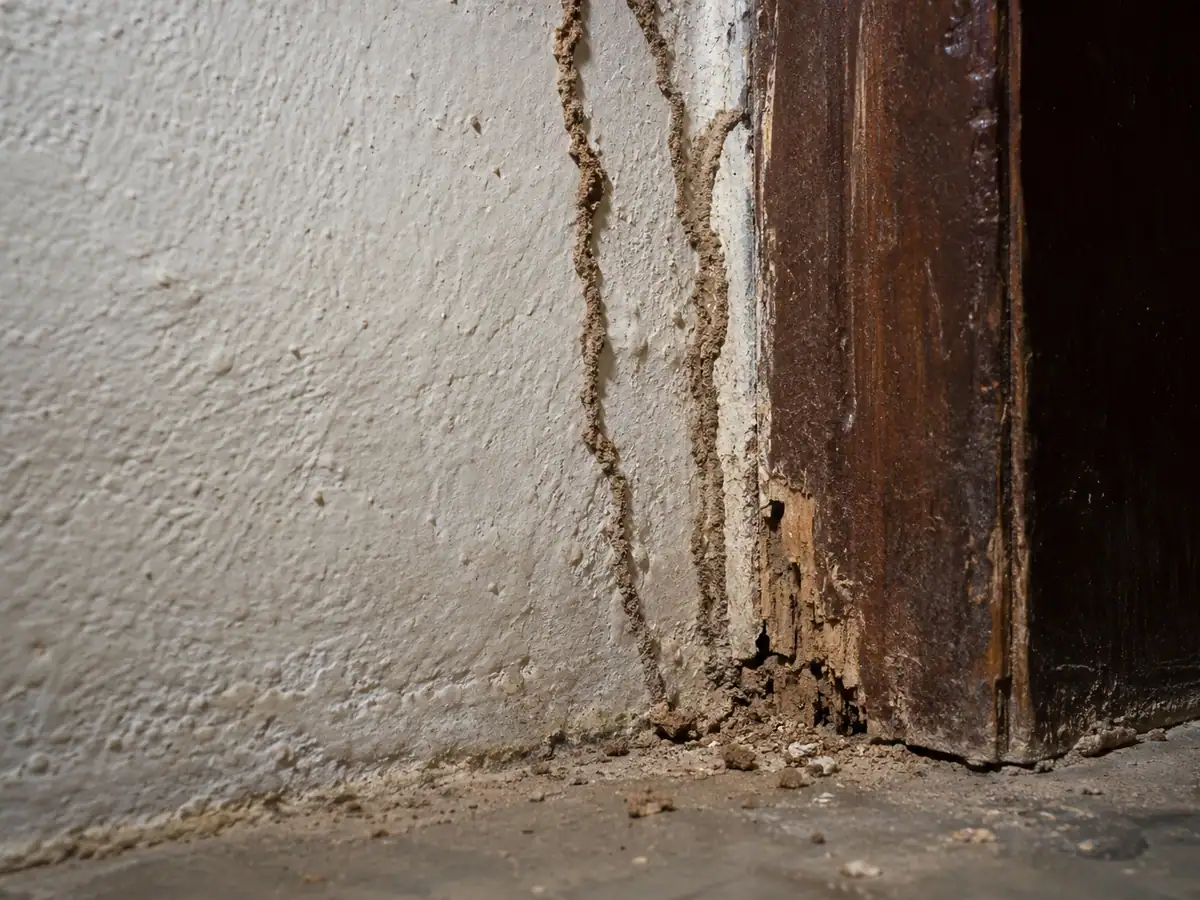
Evidence of termite activity often appears after termites have entered structural timber, flooring, trim, or wall gaps. A professional termite inspection can differentiate an active infestation from old damage and identify the areas that require treatment.

Mud tubes and damaged wood on a door frame caused by termites

Mud Tubes

Mud tubes allow subterranean termites to travel between an underground colony and a food source while retaining moisture. These soil-based tubes commonly appear along the plinth, walls, expansion joints, utility penetrations, and other sheltered entry points.

Swarmers and Discarded Wings

Termite swarmers are reproductive members that leave a mature colony to form new colonies. They have straight antennae and equal-length wings, and their discarded wings may collect near windows, doors, vents, or light sources.

Flying ants have bent antennae, narrow waists, and unequal wing lengths. A technician can inspect the insects or wings and determine whether they indicate termites or flying ants.

Damaged or Hollow-Sounding Wood

Termite damage can leave timber hollow, weak, blistered, or easily punctured. Workers feed within the wood, creating hidden internal galleries that may affect door frames, skirting boards, flooring, roof timbers, wooden fixtures, and load-bearing components.

Frass, Exit Holes, and Galleries

Frass consists of small, pellet-like droppings produced by drywood termites. Small exit holes, piles of pellets with colour variations, exposed galleries, or active termites in wood can indicate a localized drywood termite infestation.

Termite Inspection Services

Termite inspection services locate activity, assess damage, identify the termite species, and document conditions that support infestation. Kharadi Pest Control examines accessible interior and exterior areas before preparing a treatment recommendation.

Interior Inspection

An interior inspection checks skirting boards, door frames, floors, wall edges, false ceilings, plumbing areas, wooden fixtures, and accessible structural timber. The technician may probe or sound suspect wood and measure moisture where leaks or damp materials are present.

Exterior Inspection

An exterior inspection examines the plinth, cracks, compound walls, garden areas, planters, drainage, utility penetrations, and wood-to-soil contact. Stumps, timber scraps, blocked drainage, and cellulose debris near the building are also assessed.

Infestation Assessment

An infestation assessment identifies the species, activity status, affected area, severity, possible nesting location, entry points, and infestation extent. It also records moisture conditions, accessible damage, vulnerable construction features, and signs of previous treatment.

You receive the findings, identified target areas, preparation requirements, suitable treatment options, and an inspection-based estimate.

Treatment Options

Treatment options are selected according to termite biology, property construction, access conditions, and the location of activity. No single termite treatment method suits every building or species.

Liquid Soil Treatment

Liquid soil treatment creates a treated zone around the plinth and identified entry points. The application may require drilling through selected surfaces, and applying an approved liquid termiticide at the label-specified depth and rate.

This plinth soil termite treatment helps control subterranean termites as they forage between the soil and structure. The treatment design depends on construction type, expansion joints, utility penetrations, soil contact points, and site access.

Termite Bait Stations

Termite bait stations monitor worker activity around a property and deliver termite bait when activity is detected. Technicians place stations at selected locations, check their service status, record termite activity, assess bait consumption, and replenish material when required.

A termite baiting system acts gradually as workers carry the active ingredient through the colony. Consistent station inspections can support colony suppression or elimination, depending on site conditions and product requirements.

Direct Wood and Localized Treatments

Direct wood treatment targets accessible infested timber, galleries, wall gaps, and localized colonies. Depending on the affected material, technicians may inject termiticide or apply foam into structural voids.

Application method, penetration depth, treatment coverage, wood condition, moisture exposure, and load-bearing function must be considered before treatment begins.

Our Treatment Process

1

Inspect the Property

Property inspection locates termite evidence, moisture problems, wood-to-soil contact, damaged timber, and vulnerable construction features.

2

Identify the Species

Species identification determines whether subterranean, drywood, or dampwood termites are present. Correct identification guides the treatment area and application method.

3

Prepare the Treatment Plan

The treatment plan records the selected method, target areas, preparation steps, structural-access requirements, follow-up schedule, and estimated cost.

4

Apply the Treatment

Treatment application may involve drilling, injecting, foaming, treating wood, or placing bait stations. The technician targets the soil, timber, structural voids, or foraging points specified in the plan.

5

Monitor Treated Areas

Monitoring checks treated areas, station activity, bait condition, moisture sources, and new termite evidence. Follow-up inspections also verify whether preventive corrections have been completed.

Termite Species We Treat

Subterranean Termites

Subterranean termites generally nest in soil and require moisture to support the colony. Workers often reach buildings through mud tubes, plinth gaps, expansion joints, and utility penetrations.

Drywood Termites

Drywood termites infest dry timber without continuous soil contact. Localized colonies may produce frass, exit holes, visible galleries, and concentrated wood damage.

Dampwood Termites

Dampwood termites prefer damp or decaying timber and are generally larger than common subterranean species. Their presence often indicates a plumbing leak, poor drainage, roof leak, or another persistent moisture condition.

Residential Termite Control

Residential termite control protects flats, apartments, rented homes, and independent houses. Treatment can target wooden furniture, flooring, door frames, window frames, false ceilings, and wooden fixtures while accounting for occupants, pets, access, and daily routines.

Kharadi Pest Control plans termite treatment for homes around the identified activity and building layout. Preparation and access instructions are provided before work starts.

Commercial Termite Control

Commercial termite control serves offices, retail properties, warehouses, hospitality sites, apartment facilities, and managed buildings. Each commercial termite inspection can include documented findings, affected locations, activity records, treatment recommendations, and monitoring requirements.

Site-specific planning allows technicians to coordinate inspections and applications around operating hours, tenant access, storage areas, and property-management requirements.

Prevention and Property Protection

Termite prevention removes access routes, moisture sources, and cellulose materials that attract or support termite activity.

Recommended corrections may include:

  • Reduce or eliminate wood-to-soil contact.
  • Repair plumbing leaks and damaged roof areas.
  • Redirect water away from the building base.
  • Clear blocked drainage channels and downpipe discharge points.
  • Address persistent humidity and damp walls.
  • Remove stumps, timber scraps, cardboard, and cellulose debris.
  • Seal suitable plinth gaps and utility penetrations.
  • Maintain clearance between soil, planters, and wooden components.
  • Schedule periodic inspections or bait-station servicing.
  • Discuss termite pre-construction treatment before building a new structure.

These measures reduce risk, but they do not guarantee that termites cannot return. Continued inspection and moisture control provide stronger long-term property protection.

How Much Does Termite Treatment Cost?

Termite treatment cost depends on the inspection findings and the work required to reach and treat the infestation. A small localized treatment and a complete soil treatment have different material, labour, and monitoring requirements.

Pricing may depend on:

  • Termite species and activity status
  • Infestation size, location, and severity
  • Property size and construction type
  • Number and accessibility of affected areas
  • Extent of visible termite damage
  • Selected treatment method
  • Drilling or structural access
  • Bait-station quantity and inspection schedule
  • Follow-up service and written coverage terms

Request a professional termite inspection for a site-specific termite control estimate. Existing wood repair, replacement, or structural reinforcement is normally priced separately from pest treatment.

Why Choose Kharadi Pest Control?

Kharadi Pest Control bases its recommendations on evidence found during the inspection. Customers receive a clear explanation of the suspected species, affected areas, proposed treatment, preparation needs, and follow-up requirements before approving the service.

Our service approach includes:

  • Inspection-led termite pest control
  • Residential and commercial treatment planning
  • Methods selected for the identified termite species
  • Targeted soil, wood, void, or bait applications
  • Clear preparation and access instructions
  • Monitoring recommendations based on property conditions
  • Written service scope and applicable coverage terms

Product details, treatment exclusions, and monitoring intervals should be confirmed with you before service begins.

Frequently Asked Questions

How do I know whether I have termites?

Mud tubes, discarded wings, hollow-sounding wood, frass, exit holes, and blistered surfaces are common signs of a termite infestation. Because activity can remain hidden, an inspection is the most reliable way to determine whether termites are active.

What is the difference between termites and flying ants?

Termite swarmers usually have straight antennae, broad waists, and four equal-length wings. Flying ants generally have bent antennae, narrow waists, and wings of unequal length.

Can termites damage a building without being visible?

Yes. Termite workers feed inside wood, wall gaps, flooring, and other concealed areas. Visible surface damage may appear only after internal galleries have developed.

Which treatment is best for my property?

The best termite treatment depends on the species, nesting conditions, infestation extent, property design, and access. Subterranean termites may require soil treatment or baiting, while localized drywood activity may suit direct wood treatment.

How long does treatment take?

Treatment time depends on the property size, method, drilling requirements, access, and severity. A localized application may take less time than a complete perimeter treatment or whole-structure procedure.

Do I need to leave during treatment?

Some localized treatments may not require occupants to leave the entire property. Certain applications require temporary vacancy. Your technician should provide product-specific preparation and re-entry instructions.

Is treatment safe for children and pets?

Termiticides must be applied according to their approved labels. Follow all preparation, access, ventilation, and re-entry instructions provided for children, pets, aquariums, food, and personal items.

How often should a property be inspected?

Inspection frequency depends on local termite pressure, construction type, moisture conditions, previous activity, and treatment history. Properties with bait stations should follow the specified station-check schedule.

Can termites return after treatment?

Yes. New colonies may enter through untreated gaps, disturbed soil, wood-to-soil contact, or recurring moisture conditions. Monitoring and preventive corrections help detect renewed activity sooner.

Does treatment repair existing wood damage?

No. Termite control treats active or potential pest activity, but it does not repair damaged timber. A qualified building or structural professional should assess components that may require repair, replacement, or reinforcement.

Schedule a Termite Inspection

Schedule a termite inspection with Kharadi Pest Control to identify the species, locate active areas, and receive a suitable treatment recommendation. Contact us to confirm service availability in Kharadi, Pune.

When calling or completing the booking form, provide:

  • Property type and approximate size
  • Signs you have observed
  • Location of suspected activity
  • Previous termite treatment details
  • Access or operating-hour requirements
  • Preferred inspection date and time

Call Kharadi Pest Control, submit the booking form, or request a termite treatment quote to arrange the next available inspection.

Book an inspection

Call Now WhatsApp