Skip to content
Kharadi
Pest Control

Professional Flea Control in Kharadi, Pune

Flea control from Kharadi Pest Control identifies active infestations, treats concentrated flea-development sites, and helps interrupt the flea life cycle. Our professional flea treatment covers indoor and relevant outdoor areas for homes, apartments, rented homes, and suitable commercial premises in Kharadi, Pune.

A flea infestation can extend beyond the adult fleas visible on a pet. Eggs, larvae, and pupae may develop in carpets, furniture, pet bedding, floor edges, or shaded outdoor spaces. Our flea-control technicians inspect these areas, assess the source, and prepare a property-specific treatment plan.

  • Indoor and focused outdoor flea treatment
  • Control measures for adult and developing flea stages
  • Inspection of carpets, furniture, and pet-resting areas
  • Residential and commercial flea pest control
  • Follow-up recommendations based on infestation severity

Common Indicators of a Flea Infestation

Common indicators of a flea infestation include pet discomfort, jumping insects, unexplained bites, and recurring activity near protected resting areas.

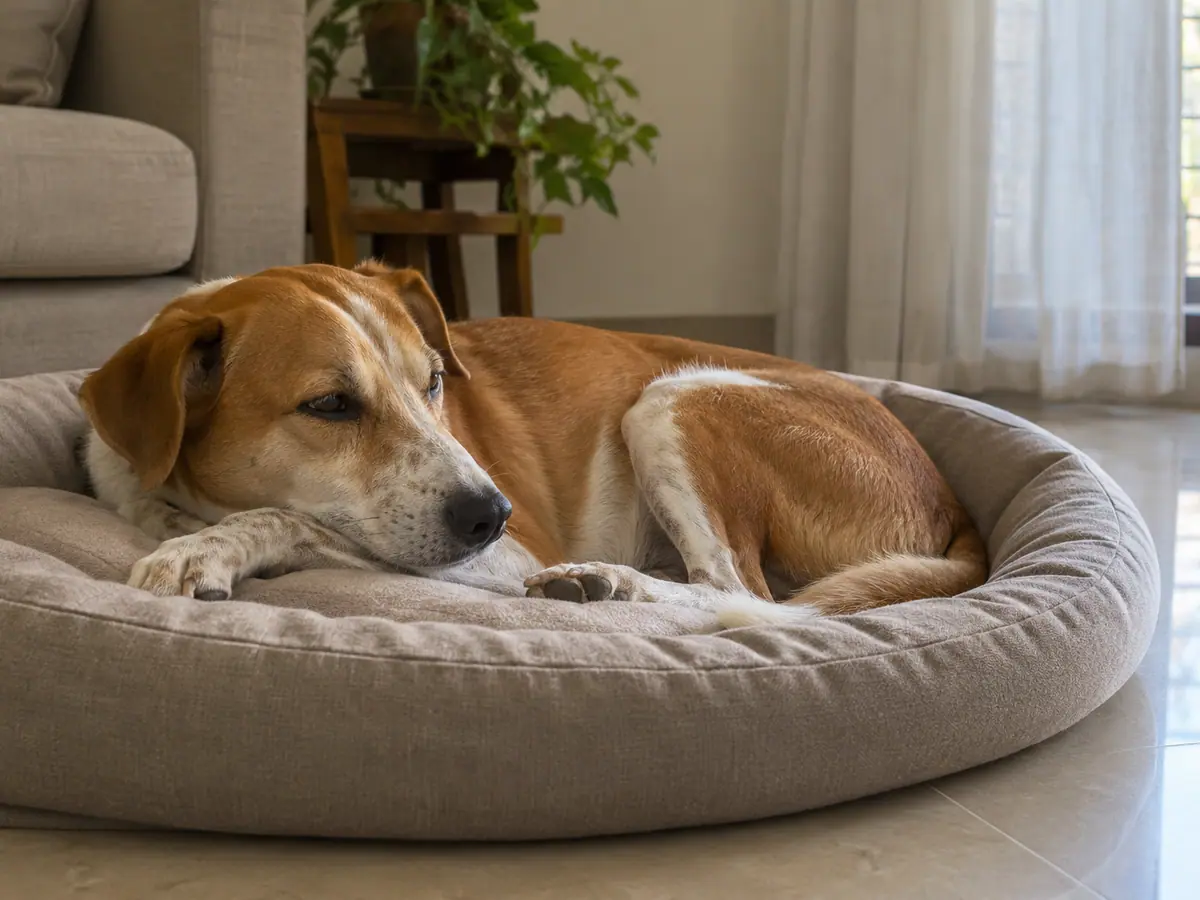
Dog resting on a clean pet bed in a treated living room

Fleas on Pets

Fleas on pets often cause scratching, licking, coat biting, irritated skin, and restlessness. Adult fleas or flea dirt may be visible around the neck, abdomen, tail, and other warm areas of the coat.

A veterinarian should examine pets and recommend species-appropriate flea products. Never apply a dog-only flea product to a cat.

Fleas Inside the Home

Fleas inside the home may appear as small, jumping insects near carpets, couches, rugs, and pet bedding. Bites frequently occur around the ankles or lower legs.

Indoor flea activity commonly concentrates in:

  • Carpet fibres and rug edges
  • Upholstered furniture and cushion seams
  • Pet bedding and sleeping locations
  • Skirting boards, cracks, and floor-wall junctions
  • Protected spaces beneath furniture

A house can retain fleas after a pet leaves because immature stages may remain in the environment.

Outdoor Flea Activity

Outdoor flea activity usually develops in shaded, protected areas where pets, wildlife, or stray animals rest. Kennels, entrance areas, and other shaded animal resting spaces can support flea activity.

Pets can collect adult fleas outdoors and carry them into the property.

Why Fleas Keep Coming Back

Fleas keep coming back because their four-stage life cycle includes protected environmental stages. Killing visible adult fleas does not necessarily remove eggs, larvae, or cocooned pupae.

Flea Eggs

Flea eggs are produced by adult female fleas and often fall from a host into carpets, bedding, flooring cracks, and animal-resting areas. These eggs begin the environmental phase of the infestation.

Flea Larvae

Flea larvae develop in dark, protected locations. They may remain deep in carpet fibres, beneath furniture, or around pet bedding, where they feed on organic debris and adult flea waste.

Flea Pupae

Flea pupae remain protected inside cocoons and have reduced susceptibility to many treatment methods. Adults may emerge from these cocoons after the initial flea service.

Adult Fleas

Adult fleas jump onto animal or human hosts, take blood meals, and reproduce after finding a suitable host. Adulticides target this visible stage, while insect growth regulators can disrupt immature flea development.

Effective flea removal addresses the host, environment, life stages, and infestation source.

What Our Flea Inspection Covers

Our flea inspection confirms activity, locates flea hot spots, and determines whether the problem involves indoor areas, outdoor harbourage, or both.

A pest-control technician may examine:

  • Carpets, rugs, flooring, and upholstered furniture
  • Pet beds and animal-resting locations
  • Skirting boards, cracks, crevices, and floor edges
  • Shaded garden areas, kennels, and sheltered spaces
  • Wildlife or stray-animal activity
  • Recent pet activity and previous flea treatments

The inspection connects infestation severity with treatment recommendations, preparation requirements, and possible follow-up service.

How Professional Flea Treatment Works

Professional flea treatment combines inspection, sanitation, targeted application, host coordination, and monitoring.

1

Inspection and Identification

Inspection and identification locate concentrated activity, likely hosts, and flea-development sites. The technician then determines whether the property requires indoor treatment, focused outdoor treatment, or a combined flea-control program.

2

Property Preparation

Property preparation makes important treatment surfaces accessible. Instructions may include:

  • Vacuum floors, rugs, carpets, and upholstered furniture
  • Wash pet bedding and washable fabrics
  • Clear accessible floor areas
  • Arrange veterinarian-directed treatment for every pet
  • Remove people and animals when the product label requires it

Customers receive re-entry and cleaning directions appropriate to the selected treatment.

3

Targeted Indoor Treatment

Targeted indoor treatment addresses surfaces where adult and immature fleas are most likely to persist. Treatment may cover carpets, rugs, skirting boards, floor edges, cracks, spaces beneath furniture, pet-resting areas, and suitable upholstered surfaces.

Where appropriate, a professional program may pair residual adult-flea control with an insect growth regulator. The adulticide targets adult fleas, while the IGR interferes with immature flea development. Product selection and application always follow label directions.

4

Focused Outdoor Treatment

Focused outdoor treatment addresses shaded areas and animal-resting sites when inspection findings justify it. Treatment may concentrate around kennels, entrance areas, shaded corners, and locations used by wildlife or stray animals.

An entire garden does not always require treatment.

5

Follow-Up and Monitoring

Follow-up and monitoring measure continuing activity after the initial application. Vacuuming agitates carpet fibres and can encourage developed adult fleas to emerge from protected cocoons.

Moderate or severe infestations may require continued sanitation, reinspection, and more than one treatment. Pets and the environment should be treated on the same timeline, with follow-up measures completed when necessary.

Treating the Property and Pets Together

Treating the property and pets together removes two connected sources of flea activity. Kharadi Pest Control treats affected parts of the building and relevant outdoor environment, while a veterinarian selects suitable flea products for animals.

Every dog and cat in the household should receive veterinarian-directed care at the same time. Property treatment alone may not control the infestation if an untreated pet continues carrying adult fleas.

What to Expect After Treatment

What to expect after treatment includes possible short-term adult flea emergence. Cocooned pupae may survive until adult fleas emerge, so immediate activity does not automatically indicate treatment failure.

Continue the control program as instructed:

  • Vacuum on the technician’s recommended schedule
  • Empty or seal vacuum contents after use
  • Launder pet bedding regularly
  • Maintain veterinarian-recommended pet prevention
  • Monitor carpets, furniture, and pet-resting areas
  • Avoid independently reapplying pesticides
  • Complete scheduled follow-up service

Report persistent activity according to the company’s follow-up instructions.

How to Reduce Future Flea Activity

Reducing future flea activity requires routine pet protection, sanitation, and source control.

  • Maintain year-round veterinarian-recommended flea prevention
  • Vacuum pet-resting areas and upholstered surfaces
  • Wash pet bedding frequently
  • Inspect used rugs and furniture before bringing them indoors
  • Restrict wildlife access to entrance areas and sheltered spaces
  • Remove outdoor food and water sources that attract animals
  • Keep pet areas dry and open where practical
  • Arrange a professional flea inspection when activity returns

Flea Control for Homes and Businesses

Flea control for homes and businesses can be planned for houses, apartments, rented homes, offices, lodging facilities, and animal-related premises that fall within our service scope. Property managers can request an inspection to assess individual units, shared areas, and possible reinfestation sources.

Contact Kharadi Pest Control to confirm service availability for veterinary offices, grooming facilities, boarding properties, shelters, or other specialist environments.

Why Choose Kharadi Pest Control?

Kharadi Pest Control provides local, solution-focused service based on inspection findings. Our approach connects flea hot spots with targeted treatment, clear preparation instructions, sanitation, pet coordination, and follow-up recommendations.

  • Property-specific flea inspections
  • Targeted indoor and outdoor applications
  • Integrated pest management practices
  • Clear preparation and aftercare guidance
  • Residential and commercial service options
  • Local coverage in Kharadi, Pune

Flea Control FAQs

How do I know whether I have fleas?

Adult fleas, flea dirt, pet scratching, ankle bites, and jumping insects near carpets or bedding can indicate an infestation. An inspection can confirm the pest and assess its severity.

Can fleas live in a home without pets?

Yes. Fleas may remain in carpets, furniture, cracks, or bedding after a pet leaves. Wildlife, stray animals, rodents, or previous occupants can also contribute to indoor activity.

Where do fleas hide inside a house?

Fleas and developing stages commonly occur in carpets, rugs, couch seams, pet bedding, floor edges, cracks, and protected spaces beneath furniture.

Why do I still see fleas after treatment?

Cocooned pupae can remain protected until adults emerge. Continued vacuuming and scheduled follow-up help expose and control newly emerged fleas.

Will one treatment remove the infestation?

A light infestation may respond quickly, but moderate or severe flea problems can require multiple visits. Infestation severity, pet treatment, sanitation, and environmental conditions affect the result.

Do all pets need flea treatment?

Yes. A veterinarian should recommend appropriate treatment for every pet in the household. An untreated animal can continue supporting adult fleas and reproduction.

Does Kharadi Pest Control treat pets?

We treat the property, not the animal. A veterinarian should diagnose pet-related concerns and select species-specific flea products.

Should I vacuum before and after treatment?

Vacuuming is commonly required before service and may also be recommended afterward. Follow the technician’s schedule because timing can depend on the treatment method.

Do I need to leave during treatment?

You may need to leave with your pets if the product label or treatment plan requires it. The technician will provide re-entry instructions before application.

Are outdoor treatments always necessary?

No. Outdoor treatment is used when inspection identifies flea activity or source pressure in shaded animal-resting areas.

What is an insect growth regulator?

An insect growth regulator disrupts immature flea development. It may be combined with adult flea control as part of a professional, label-directed treatment plan.

Schedule Flea Control in Kharadi, Pune

Schedule flea control in Kharadi, Pune, when fleas appear on pets, around carpets, near furniture, or in outdoor resting areas. Visible adult fleas may represent only one part of the infestation.

Kharadi Pest Control will inspect flea hot spots, assess the indoor and outdoor scope, recommend preparation steps, and establish an appropriate treatment and follow-up plan.

Book an inspection

Call Now WhatsApp