Skip to content
Kharadi
Pest Control

Professional Fly Control Services

Fly control from Kharadi Pest Control identifies the fly species, locates the breeding source, reduces adult activity, and helps prevent flies from returning. We provide residential and commercial fly pest control in Kharadi, Pune for recurring flies, sudden infestations, drain activity, maggots, waste-related breeding, and food contamination concerns.

Our fly removal service addresses the complete fly life cycle, including eggs, larvae, pupae, and adult flies. Each fly infestation treatment combines inspection, source removal, sanitation, exclusion, trapping, targeted product application, and monitoring as conditions require.

Get Rid of Flies and Their Breeding Source

Getting rid of flies requires more than killing the adults you can see. Flies can reproduce in moist food waste, drain biofilm, animal waste, waste, fermenting liquids, and decaying organic matter. If eggs, maggots, pupae, or breeding material remain, the recurring fly problem can continue after spraying.

Kharadi Pest Control traces fly activity to its source. Our technicians inspect indoor and outdoor conditions, remove or identify larval habitats, reduce adult fly populations, and recommend practical corrections that interrupt the fly life cycle.

A lasting control plan may include:

  • Locating and eliminating fly breeding sites
  • Scrubbing organic buildup from drains
  • Emptying and washing waste containers
  • Disposing of spoiled food and decaying material
  • Correcting leaks and standing moisture
  • Sealing structural entry points
  • Repairing window and door screens
  • Positioning species-appropriate fly traps
  • Applying labelled fly bait or targeted treatments
  • Monitoring captures and verifying control
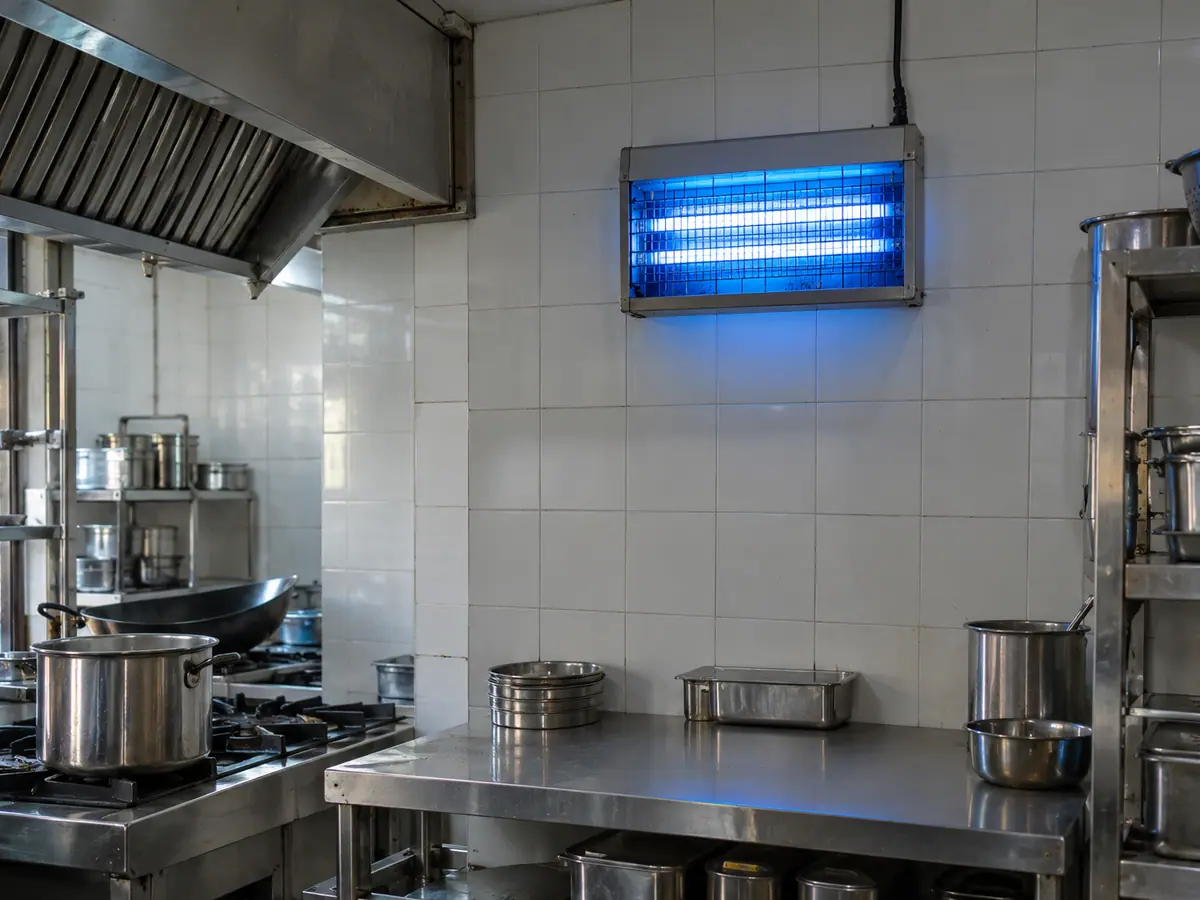
Electric fly killer mounted in a clean kitchen

Common Indicators of an Infestation

Frequent Adult Fly Activity

Frequent adult fly activity around windows, lights, doors, kitchens, drains, or waste areas can indicate a nearby breeding site or entry point. Groups appearing repeatedly in one place require inspection, particularly when activity increases during warm weather.

Larvae, Maggots, or Pupae

Fly larvae, maggots, or pupae identify active or recent development. Common locations include waste containers, spoiled food, drains, animal waste, compost, and damp organic material.

Fly Spots Near Food Areas

Fly spots near food areas can appear as small, dark faecal or regurgitation marks. Flies landing on preparation surfaces, stored produce, bins, grease deposits, or utensils require prompt sanitation and source control.

Flies Emerging From Drains or Voids

Flies emerging from drains or hidden voids often point to organic film, trapped waste, plumbing moisture, or a concealed animal carcass. Species, size, movement, and emergence location help determine where to inspect.

Flies We Identify and Control

House Flies

House fly control targets medium-sized flies commonly associated with waste, food waste, manure, and moist decaying organic matter. House flies can mechanically transfer microorganisms to food and surfaces. Treatment may combine sanitation, exclusion, fly bait, trapping, and carefully selected applications.

Fruit Flies

Fruit fly control removes fermenting materials that support rapid development. Typical sources include overripe produce, beverage residue, recycling containers, waste disposals, syrup, sugary spills, and organic buildup beneath equipment.

Drain Flies

Drain fly control addresses small, fuzzy, moth-like flies that develop in moist organic film. We inspect sink drains, floor drains, waste disposals, and plumbing areas. Effective treatment requires mechanical cleaning or scrubbing of the biofilm, not simply pouring chemicals into a drain.

Blow Flies and Bottle Flies

Blow fly control and bottle fly removal focus on metallic blue, green, or dark flies associated with carrion, animal waste, refuse, or decomposing material. Sudden large flies indoors can indicate a dead animal in a false ceiling, wall gap, shaft, or nearby exterior area.

Cluster Flies

Cluster fly control addresses slow-moving seasonal flies that gather around windows, false ceilings, and wall gaps. We examine cracks, rooflines, wall gaps, screens, and utility penetrations, then recommend exclusion and properly timed exterior measures.

Flesh Flies

Flesh fly control targets large, grey flies with a striped thorax and often a checkered abdomen. Inspection concentrates on animal waste, carcasses, bins, and decomposing organic matter indoors and outdoors.

Small flies may also require differentiation between fruit flies, drain flies, moth flies, vinegar flies, and phorid flies. Correct identification prevents ineffective treatment and directs attention to the right source.

What Causes a Fly Problem?

Food and Organic Residue

Food and organic residue attract flies when produce, food scraps, grease, sugary drinks, or fermenting liquids remain accessible. Cleaning, refrigeration, containment, and frequent disposal remove the material needed for development.

Waste and Refuse

Waste and refuse support breeding when bins have loose lids, leaks, heavy residue, excessive waste volume, or infrequent collection. Pet waste, manure, compost, and decaying vegetation can produce similar conditions.

Moisture and Drain Buildup

Moisture and drain buildup allow larvae to develop inside organic slime or biofilm. Floor drains, sink drains, waste disposals, leaks, grease traps, and standing water should be inspected, scrubbed, dried, or repaired as appropriate.

Structural Entry Points

Structural entry points let outdoor flies enter through damaged screens, door gaps, open windows, utility penetrations, rooflines, and wall openings. Sealing, screening, door-gap sealing, and door adjustments reduce repeated entry.

Hidden Animal Carcasses

Hidden animal carcasses can cause a sudden fly infestation and noticeable odour. Wall gaps, shafts, false ceilings, terraces, roof areas, and concealed spaces may require careful examination and safe carcass removal.

Our Fly Inspection and Treatment Process

1

Inspect the Property

Our property inspection assesses infestation severity, activity level, duration, and indoor or outdoor distribution. We examine kitchens, drains, bins, food storage, waste areas, pet areas, screens, doors, exterior conditions, larvae, pupae, and fly spots.

2

Identify the Fly Species

Species identification compares body size, colour, wing appearance, movement, behaviour, and activity location. Differentiating house flies, fruit flies, drain flies, blow flies, flesh flies, and cluster flies connects the pest to its likely breeding habitat.

3

Locate Breeding and Entry Sources

The source inspection traces flies to refuse, produce, drain biofilm, moisture, animal waste, carrion, or exterior entry points. This step determines whether flies are breeding inside the property or entering from outdoors.

4

Apply a Targeted Control Plan

The targeted control plan matches treatment to the fly species, life stage, breeding site, and property conditions. Measures may include:

  • Source removal and sanitation corrections
  • Mechanical drain cleaning or suitable microbial treatment
  • Crack-and-crevice treatment
  • Fly bait placement
  • Sticky monitors and species-appropriate traps
  • Insect light traps in suitable locations
  • Exterior treatment where permitted
  • Screen, door, and gap corrections

All product applications depend on the treatment area, label directions, access restrictions, and food-area sensitivity.

5

Monitor and Follow Up

Monitoring and follow-up measure trap captures, activity trends, sanitation corrections, and adult emergence. Persistent sites may require reinspection, additional source removal, device servicing, or an adjusted treatment plan.

Integrated Fly Management

Integrated fly management combines inspection, identification, sanitation, exclusion, mechanical control, targeted treatment, and monitoring. Pesticides alone may reduce visible adults without removing the material where eggs and larvae develop.

  • Sanitation removes food, refuse, manure, spilled liquids, grease, and decaying matter.
  • Exclusion repairs screens, seals gaps, improves door closure, and blocks entry points.
  • Mechanical control captures adults with traps, sticky monitors, or suitable insect light traps.
  • Targeted application places labelled fly baits or insecticides only where appropriate.
  • Monitoring records device location, capture trends, inspection frequency, and corrective actions.

This integrated pest management approach suppresses current activity and establishes practical long-term fly prevention.

Residential Service

Residential fly control addresses flies in the house, flies in kitchens, flies coming from drains, flies around windows, and maggots in waste bins. We inspect kitchens, pantries, bathrooms, store rooms, balconies, parking areas, terraces, pet areas, waste disposals, drains, and waste-storage locations.

The service plan accounts for room type, occupancy, pets, moisture, exterior access, waste practices, and the location of the breeding source.

Commercial Service

Commercial fly control protects restaurants, commercial kitchens, grocery stores, warehouses, hotels, schools, healthcare settings, offices, multi-unit housing, farms, and food-processing facilities. The program can include documented inspections, monitoring devices, sanitation recommendations, exclusion measures, waste-handling reviews, and recurring fly control service.

For food businesses, we consider operating hours, food exposure, grease, drains, refuse volume, staff cleaning procedures, and device placement. Insect light traps must be positioned for effective capture without attracting outdoor flies inside or creating unsuitable conditions near food-handling areas.
Why Choose Kharadi Pest Control?

Kharadi Pest Control builds each recommendation around the fly species, source location, infestation severity, and property use. Customers receive a clear explanation of the findings, practical preparation instructions, targeted treatment options, and prevention steps.

Our solution-oriented approach provides:

  • Residential and commercial fly inspection
  • Species-specific treatment recommendations
  • Breeding-source and entry-point assessment
  • Integrated pest management methods
  • Sanitation and exclusion guidance
  • Monitoring and follow-up options
  • Local fly control service in Kharadi, Pune
  • Clear estimates based on the conditions found

How to Prevent Flies

Fly prevention removes breeding materials and restricts entry before populations develop.

  • Keep rubbish containers closed, clean, and free from leaks.
  • Remove food waste regularly.
  • Refrigerate or discard overripe produce.
  • Wash recycling containers before storage.
  • Clean beverage, grease, and food spills promptly.
  • Scrub drains and maintain waste disposals.
  • Repair leaking plumbing and remove standing water.
  • Pick up pet and animal waste.
  • Repair window and door screens.
  • Seal cracks and utility penetrations.
  • Keep exterior doors closed or fit suitable door closers.
  • Address dead wildlife promptly.
  • Track trap captures in sensitive commercial areas.

Frequently Asked Questions

Why do I suddenly have so many flies?

A sudden fly infestation may result from rapid reproduction, seasonal entry, overlooked waste, drain buildup, spoiled produce, animal waste, or a concealed carcass. The fly species and activity location usually provide important clues.

Where are the flies breeding?

Flies may breed in drains, waste, fermenting produce, grease, recycling residue, compost, manure, pet waste, carrion, or moist decaying material. A fly source inspection traces adults, larvae, pupae, odour, and activity patterns to the likely habitat.

Why do flies keep returning after I spray them?

Flies keep returning when spray kills exposed adults but leaves eggs, maggots, pupae, or breeding material untreated. Removing the source and interrupting the life cycle produces more dependable control.

Can flies spread germs?

Flies can mechanically carry microorganisms from waste or decaying matter to food and surfaces. Prompt source removal, sanitation, food protection, and population control help reduce contamination concerns.

How long does treatment take?

Treatment time depends on the species, infestation level, breeding-source accessibility, sanitation conditions, and selected control methods. Some problems improve after source removal, while established or hidden breeding sites may require monitoring and follow-up.

Do I need to leave during treatment?

Whether occupants must leave depends on the product, application site, treatment method, and label instructions. Your technician should explain preparation, access, and re-entry requirements before treatment begins.

How much does professional fly control cost?

Fly control pricing depends on property size, fly species, infestation severity, source location, commercial or residential conditions, treatment type, and follow-up needs. An inspection allows Kharadi Pest Control to recommend an appropriate plan and provide a relevant quote.

Can you treat restaurants and food facilities?

Restaurant fly control can include species identification, drain and waste-area inspection, sanitation coordination, exclusion, monitoring, suitable insect light traps, and food-area-appropriate treatments. Recommendations should support the facility’s pest-management procedures without promising regulatory compliance.

Schedule Fly Control in Kharadi

Schedule fly control in Kharadi when flies keep returning, appear near food, emerge from drains, gather around windows, or indicate hidden breeding material. Kharadi Pest Control will inspect the property, identify the species, locate likely breeding and entry sources, and recommend a focused treatment plan.

Contact Kharadi Pest Control to arrange a fly inspection or request a fly control quote for your home, restaurant, rented home, warehouse, office, or commercial facility in Kharadi, Pune.

Book an inspection

Call Now WhatsApp